
Walk through Dubai Mall or Alserkal Avenue and you can feel it, retail doesn’t feel like retail anymore. It feels more like theatre. Cafés blend into boutiques, pop-ups spill into galleries, and the line between shopping and storytelling has quietly disappeared.
Luxury brands have led the way. Dior, Tiffany & Co. and Bvlgari aren’t just creating stores; they’re building worlds. Step inside and you don’t just see the brand, you feel it. The light, the scent, the texture of the furniture, even the pace of the music. Everything is designed to say who they are without needing to speak.
And this way of thinking is spilling out of boutiques and into the wider world of events.
The Store as Experience
In Dubai, retail has always been part of the city’s identity. But something has changed. The focus isn’t only on luxury anymore; it’s on how it feels.
A Dior Café isn’t built to sell handbags. It’s built to tell a story, to invite people to live inside the brand for a moment. The same idea now shapes how brands are approaching experiential marketing.
Events here aren’t just a backdrop for launches; they’re becoming environments people genuinely want to be in. The same level of craft that goes into designing a concept store now defines how leading brands host their experiences.
Retail Meets Event Design
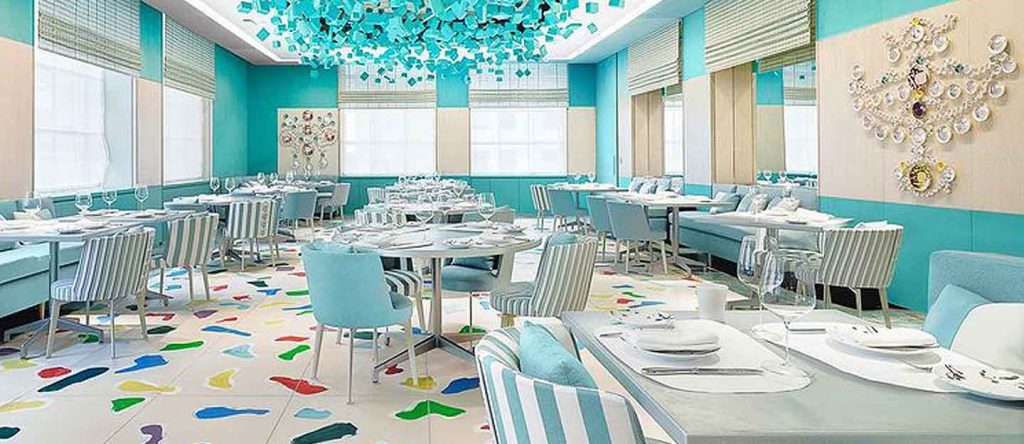
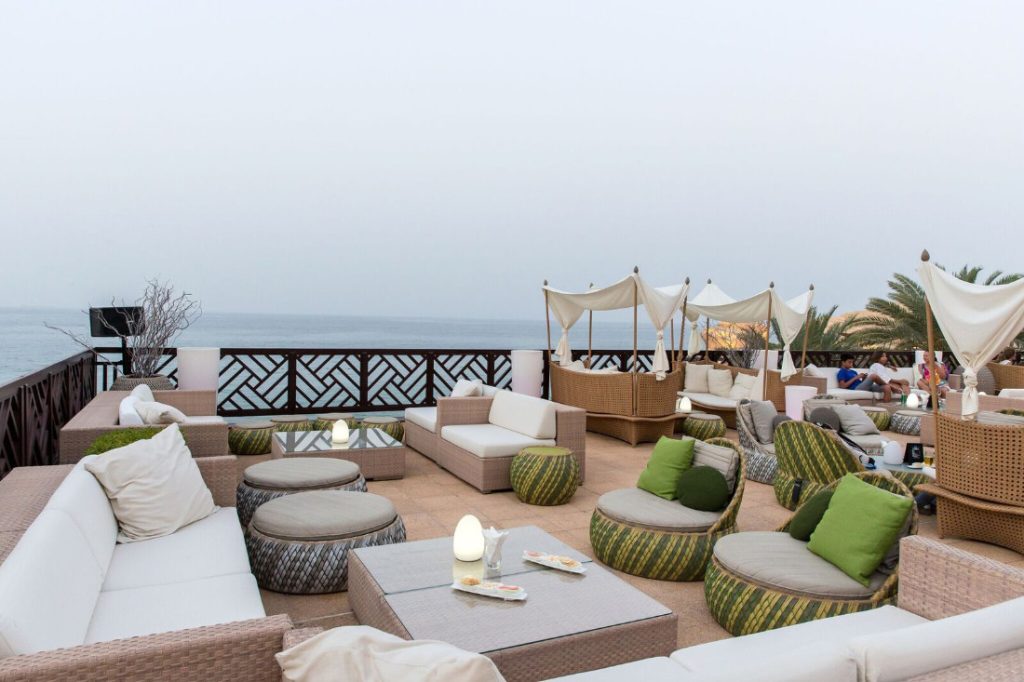
When guests walk into a space like the Bvlgari Resort or the Tiffany Blue Box Café, the first thing they notice isn’t the product, it’s the atmosphere. Calm, detailed, confident. Everything from the lighting to the service tells the brand story.
That same attention to detail has become central to modern event design.
The sound of a room, the scent at registration, the colour of the walls, these aren’t extras. They’re the story.
It’s no coincidence that the best events in Dubai now feel like walking through a luxury store. They use the same language: craft, comfort and control.
Why It Matters for Marketing
For years, luxury marketing was measured in reach, how many people saw the campaign, how many clicks it got. But that model is changing.
People in this region don’t just want to see a brand. They want to feel it. They want a sense of place, a reason to belong.
That’s why experiential marketing works so well here. It turns abstract values – creativity, hospitality, precision – into something guests can actually experience. It’s emotional marketing, done physically.
And in a city like Dubai, where audiences are curious, connected and always ready for something new, that blend of design and feeling has real power.
When Marketing Feels Like Hospitality
Luxury here isn’t loud; it’s personal.
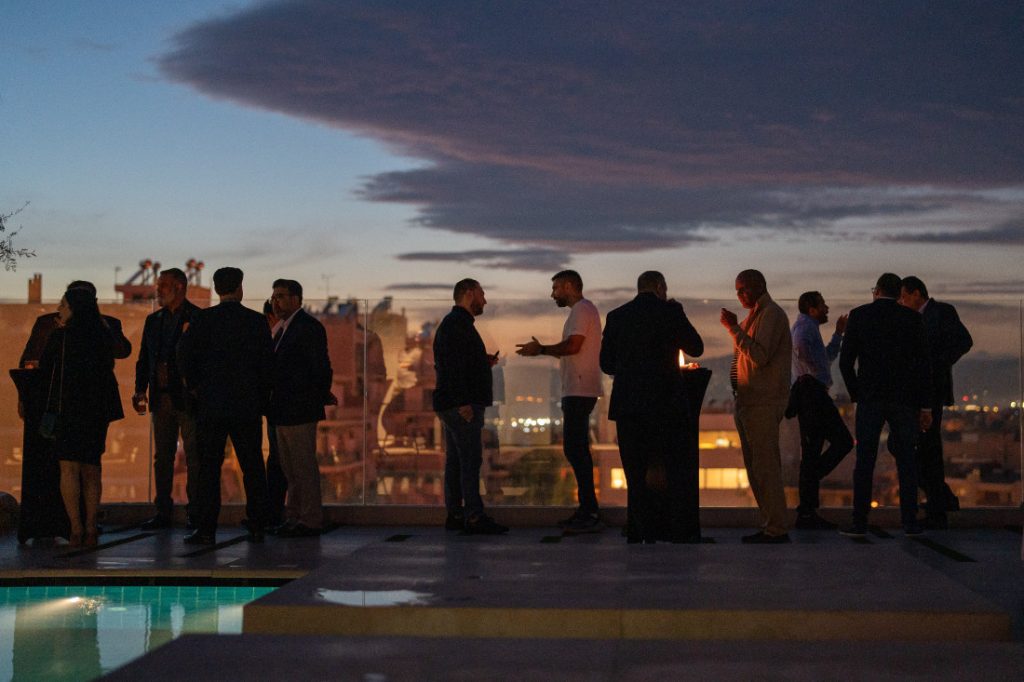
Events are becoming softer, more intimate, more about belonging than spectacle. We’ve seen it across sectors, from private automotive previews to curated dinners and immersive brand lounges.
Hospitality has become the heart of marketing.
That first welcome moment, the conversation that happens between sessions, the quiet pause in a beautiful space, those are the moments people remember. They’re also the ones that turn into trust, which is what luxury has always been built on.
Noble’s Perspective
At Noble, we see this shift every day. Clients aren’t asking for bigger; they’re asking for better. More considered. More intentional.
We design events the way an architect designs a flagship store, starting with what guests should feel, and building everything else around that.
Lighting, materials, sound, scent, flow – it all plays a part. And because we’re certified to ISO 20121, sustainability and responsibility sit alongside beauty. For us, that’s what modern luxury looks like: thoughtful design that feels effortless, but never careless.
Looking Ahead
The boundaries between retail, hospitality and marketing are now so blurred that they almost don’t exist.
And maybe that’s the point. Because what connects them all is feeling, the sense that someone’s thought about every detail.
Dubai understands that instinctively. It’s a city built on service, story and experience. And that’s exactly where the future of luxury is heading – towards moments that people don’t just see, but remember.